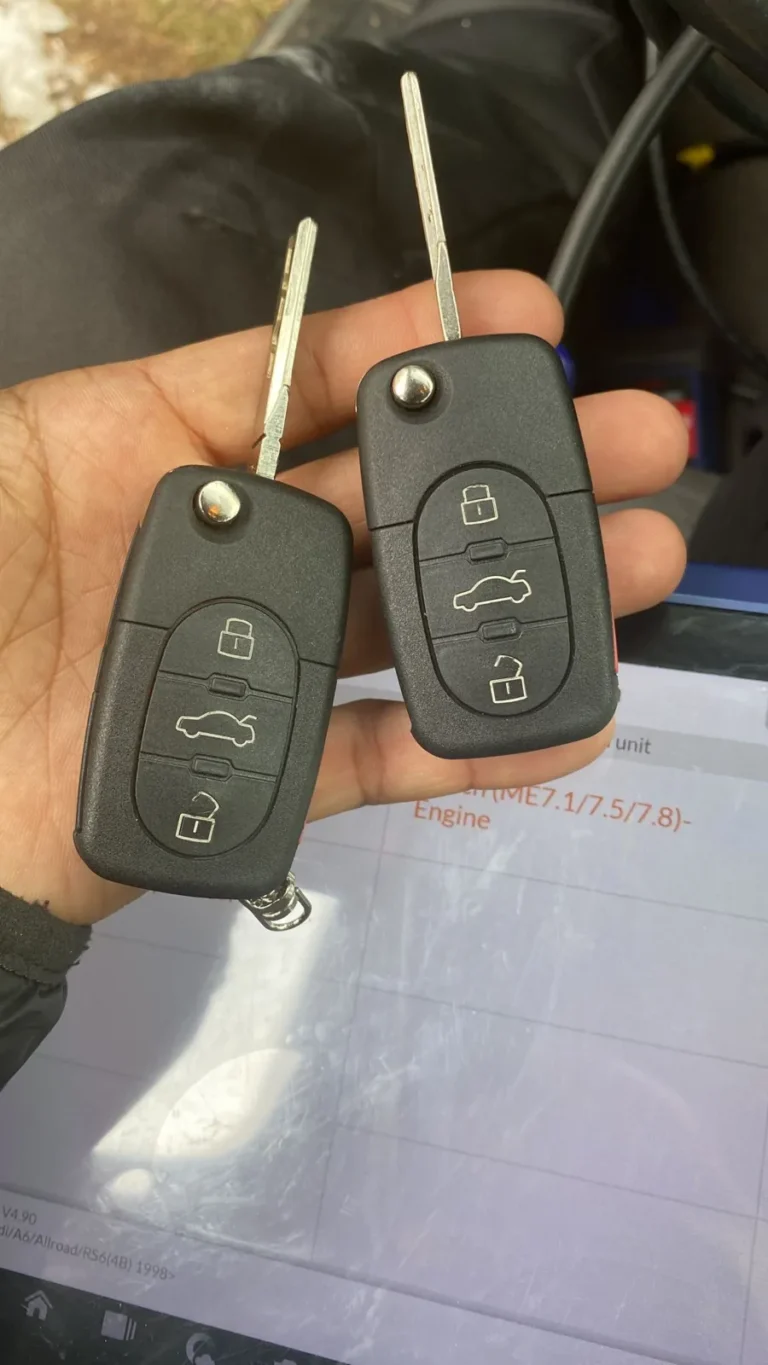
DIY projects can be a fun and cost-effective way to tackle home improvement tasks, but locksmithing isn’t one to take lightly. While it’s tempting to save money and learn something new, DIY locksmithing can lead to costly mistakes. In this post, we’ll break down common pitfalls and provide tips on how to avoid them.

1. Choosing the Wrong Tools
Using the correct tools is crucial in locksmithing. Amateur tools can damage your locks and make the job harder than it needs to be. Invest in good quality locksmithing tools or, better yet, consult a professional.
Even if you have a basic understanding of how locks work, using substandard tools can lead to unforeseen complications. For instance, applying excessive force with a poorly constructed pick can break inside the lock, requiring more time and effort to rectify the situation. Moreover, many locks today are designed with intricate mechanisms. Properly understanding these mechanisms and using the right tools ensures that you don’t accidentally damage the internal chambers or springs.
There’s also the matter of precision. High-quality tools offer the accuracy required for jobs like rekeying or tuning lock tumblers. Investing in a set of professional-grade locksmith tools can make all the difference. But always remember, while having the right tools is essential, knowing how to use them correctly is equally important. Consider enrolling in a basic locksmithing course or watching detailed tutorials from professionals.
2. Misaligning the Lock Components
Lock mechanisms are intricate, and misaligning any component can render the lock useless. Pay close attention to the alignment and follow instructions carefully to avoid this common issue.
When you misalign components within a lock, it can cause issues like difficulty turning the key or completely jamming the lock. Such situations can escalate quickly, leading to more extensive repairs or even the need to replace the entire lock. To avoid misalignment, work in a well-lit area and utilize tools such as tweezers or small screwdrivers that allow for more control.
Taking things step by step is another way to avoid this mistake. Rushing through the process without a clear understanding can increase the risk of misalignment. Keeping a reference guide or a step-by-step manual handy can be extremely beneficial. Observing and copying the exact positioning of every component during reassembly is a good practice.
3. Forgetting to Lubricate
Locks require proper lubrication to function smoothly. Using the wrong lubricant or skipping lubrication altogether can lead to jammed locks and key breakage. Use a lubricant recommended by professionals.
The importance of lubrication in locksmithing cannot be overstated. Proper lubrication ensures that the internal components of the lock operate smoothly, reducing wear and tear. However, using an inappropriate lubricant, like cooking oil or standard grease, can attract dirt and grime, exacerbating the problem. Specialized graphite or Teflon-based lubricants are often recommended because they reduce friction without attracting debris.
In addition, regularly lubricating the lock mechanism can extend the lifespan of the lock. It’s not just about applying lubricant when there’s an issue; routine maintenance can prevent problems from arising in the first place. Apply a light coat of the recommended lubricant once every six months or whenever you notice the lock becoming harder to operate. Avoid over-lubricating, as it can lead to the accumulation of excess lubricant inside the lock.
4. Over-tightening Screws
Applying too much force when tightening screws can strip the threads or damage the lock body. Tighten screws just enough to hold the components securely without compromising the mechanism.
Over-tightening screws is a common issue that many DIY locksmithing enthusiasts encounter. The temptation to ensure that everything is ‘secure’ often leads to the application of excessive force, which can strip the threading of screws or crack the lock casing. This not only compromises the integrity of the lock but can also result in a jammed mechanism.
A useful tip here is to use a torque screwdriver, which allows you to set a specific torque level, preventing over-tightening. Additionally, always start by tightening screws manually, feeling the resistance, and then finishing off with a screwdriver. Remember, it’s more about achieving a snug fit than exerting maximum force.
5. Improper Key Cutting
Key cutting is an art that requires precision. Improperly cut keys can damage the lock or not work at all. If you’re not sure about cutting keys yourself, it’s best to have them cut by a professional.
When you attempt to cut your own keys without the right equipment or experience, the chances of errors increase significantly. A key that’s even slightly miscut may not align properly with the pins inside the lock, leading to difficulty in turning the key or potentially damaging the lock over time. Professional key cutting machines are designed to ensure high precision, something that’s challenging to achieve manually.
Moreover, keys are manufactured from specific materials that respond differently to cutting. Using the wrong material or cutting technique can result in a brittle key, prone to breaking inside the lock. To get the best results, consider taking the original key to a professional locksmith to ensure that the duplicate is precisely cut and made from durable materials.
6. Not Understanding Lock Grades
Locks come in different grades indicating their security level and durability. Choosing a lower grade lock for high-security areas can be a big mistake. Ensure you select the right lock grade for the intended purpose.
The grading system for locks generally categorizes them into grades 1, 2, and 3. Grade 1 locks provide the highest level of security and are typically used in commercial settings or areas that require maximum security, such as main entry points. Grade 2 locks offer a medium level of security and are suitable for residential homes. Grade 3 locks provide basic security and are generally used for internal doors.
Selecting the appropriate lock grade means considering the specific needs and threats associated with the area. For high-security areas, always opt for grade 1 locks, which are rigorously tested for durability and resistance to forced entry. Be mindful of the false economy of choosing a lower-grade lock to save money, as it can compromise your security and lead to costly replacements in the future.
7. Ignoring Security Standards
There are specific security standards that locks need to meet for different applications. Ignoring these can compromise your safety. Always check local security standards before undertaking any locksmithing project.
Security standards vary from one jurisdiction to another, and it’s essential to familiarize yourself with the regulations relevant to your region. Compliance with these standards usually involves meeting specific criteria for lock construction, installation techniques, and testing processes. Overlooking these standards not only compromises security but also may have legal ramifications, particularly in rental properties or commercial settings.
One way to ensure you are adhering to security standards is to consult product manuals or seek advice from professional locksmiths who are well-versed in local regulations. Additionally, many lock manufacturers provide detailed guidelines that cater to security standards, making it easier for you to select and install the appropriate locks. Always prioritize safety and compliance when undertaking any locksmithing project.
8. Neglecting Regular Maintenance
Even after successfully installing or fixing a lock, regular maintenance is essential. Neglecting this step can lead to lock failures in the long run. Schedule regular maintenance to ensure your locks are in good working condition.
Regular maintenance involves more than just lubrication; it’s a comprehensive approach to ensuring that all components of the lock are functioning correctly. This includes checking the alignment of the lock, ensuring that screws are properly tightened, and verifying that keys are not worn out. Properly maintained locks not only last longer but also provide better security.
Another critical aspect of maintenance is to keep an eye on environmental factors. Locks exposed to the elements, especially in coastal or industrial areas, are susceptible to corrosion. Regularly inspect these locks and consider applying anti-corrosion treatments when necessary. If you notice any issues during maintenance, address them promptly to avoid more significant problems down the line.